

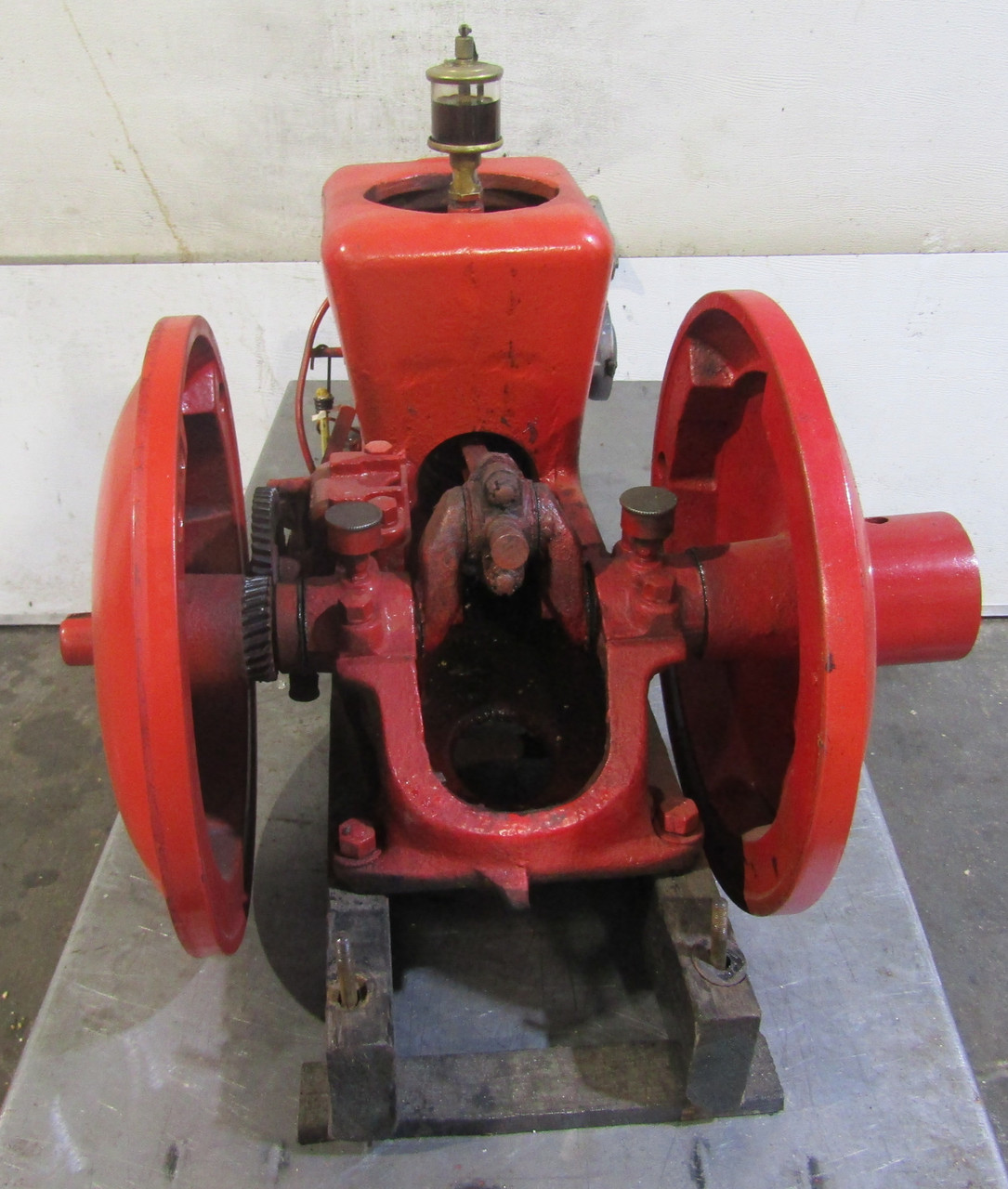
The charm of vintage machinery lies in its durability and craftsmanship. Among the most iconic of these relics is the john deere hit and miss engine, a true marvel for collectors and restorers. Bringing one of these engines back to life is not just about mechanics,it’s about preserving history, celebrating ingenuity, and enjoying the satisfaction of making something old run like new again.
Understanding the Legacy
Before diving into restoration, it’s important to appreciate the engine’s legacy. The John Deere hit and miss model became a workhorse in early agricultural and industrial use. Known for its steady rhythm,where the engine “hits” to fire and then “misses” to conserve fuel,it provided reliable power for countless farms and workshops. For today’s collectors, restoring one is as much about honoring heritage as it is about functionality.
Preparing for Restoration
Like any restoration project, preparation is key. Start by evaluating the condition of your engine:
- Check for cracks in the casting.
- Look over moving parts for excessive wear.
- Ensure that important components such as the crankshaft and flywheels are intact.
A detailed inspection will help you determine whether you need a full rebuild or a partial refresh.
Essential Tools and Supplies
Restoring an engine requires more than enthusiasm. The right tools make the difference between frustration and success. Collectors should have:
- Wrenches and sockets sized for heavy-duty bolts.
- A good quality torque wrench.
- Cleaning supplies such as degreasers and wire brushes.
- Replacement gaskets and seals.
Investing in proper tools ensures both safety and accuracy throughout the process.
Key Steps in the Restoration Process
- Disassembly
- Carefully take apart the engine, labeling each part. Photographs during this step are invaluable for later reassembly.
- Cleaning
- Remove years of grime and buildup. Sandblasting or chemical baths may be necessary for severely corroded parts.
- Inspection and Repairs
- Examine every part for damage. Replace or repair components that show signs of fatigue.
- Reassembly
- With parts cleaned and repaired, begin the reassembly. Follow factory specifications where possible to preserve authenticity.
Electrical Components Matter
A restored engine isn’t just about gears and pistons; the ignition system is just as critical. Proper connections help ensure a consistent spark for reliable operation. For example, using durable spark plug wire connectors improves efficiency and minimizes misfires. Paying attention to these small but vital details can make the difference between an engine that sputters and one that roars to life.
Tips for Long-Term Care
Once your engine is running smoothly, ongoing maintenance will keep it in prime condition. Collectors recommend:
- Regular oiling of moving parts.
- Protecting the engine from exposure to moisture.
- Running it periodically to prevent seizing.
This simple care routine helps safeguard your hard work and preserves the engine for future generations.
Conclusion
Restoring a John Deere hit and miss engine is more than a mechanical project, it’s a journey through history that connects collectors to the roots of innovation. From careful disassembly to fine-tuning ignition details, every step demands patience and precision. For those seeking reliable parts, expert guidance, and specialized supplies, Flywheel Supply provides a trusted source that supports both seasoned restorers and newcomers in keeping these legendary engines alive.
