

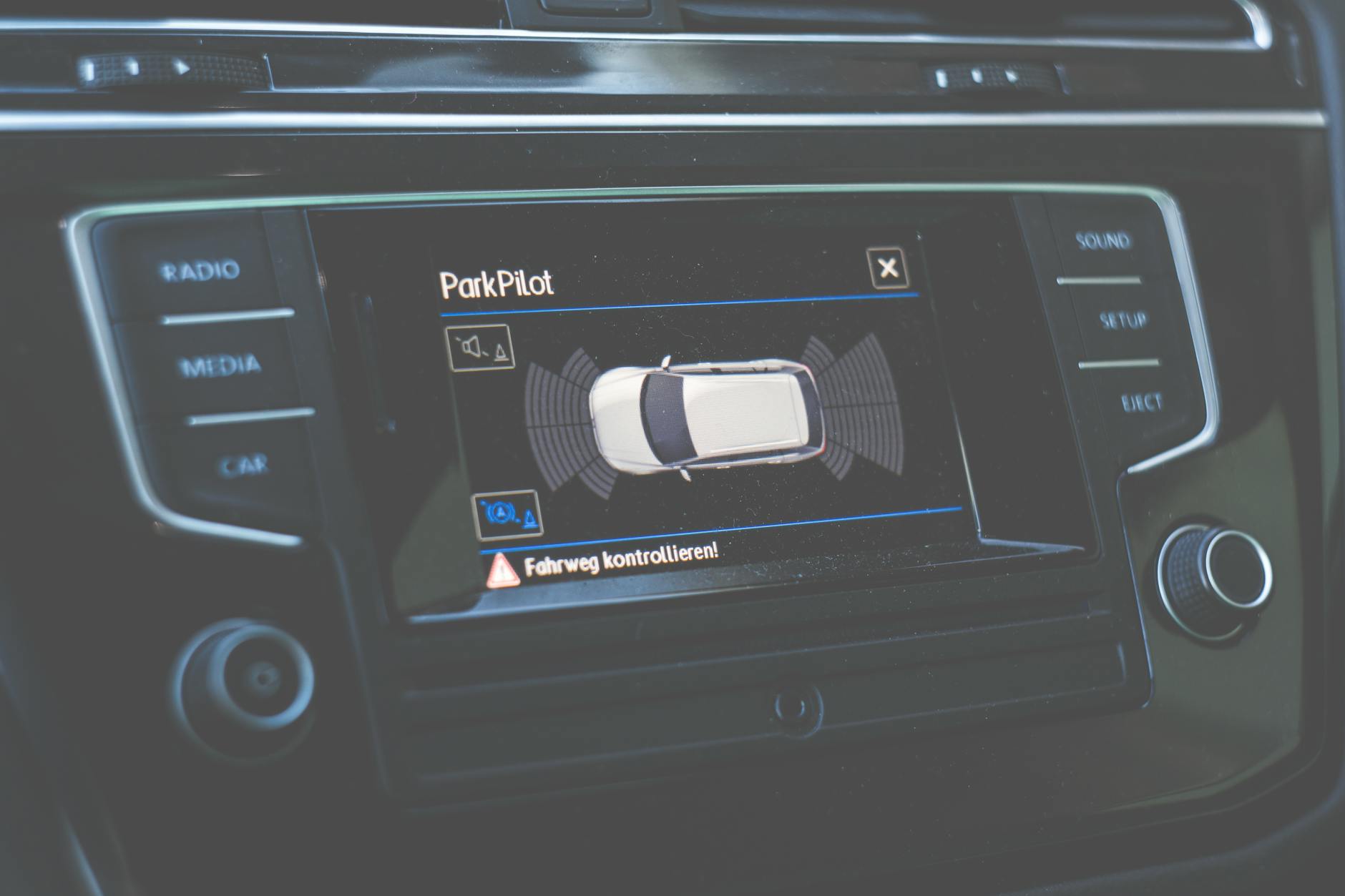
A clean Volkswagen rear view camera retrofit starts long before the bumper trim comes off. Choose the right wiring harness, control module, and camera type, and the job feels organized, predictable, and easy to explain.
Why the harness deserves attention?
In many Volkswagen models, the camera works as part of the infotainment and parking assistance system. It communicates with the infotainment unit, receives power from the vehicle network, and often needs coding for reverse gear activation. The wiring harness connects those systems, carrying video signal, power, ground, and sometimes CAN data (the car’s internal communication line).
For a workshop, this matters because a poor harness can create strange faults. You may see a black screen, delayed image, picture noise, or an error stored in the control unit. The camera might work during testing, then fail after the hatch is closed because the cable path is too tight. Planning saves labor and keeps the retrofit factory fitted.
Matching components to the Volkswagen platform
Volkswagen uses different infotainment generations and body layouts, so start with the exact model, year, body style, and head unit. Models vary by cable length.
Check these details before ordering parts:
-
head unit type – MIB, MIB2, or another platform;
-
camera style – badge camera, handle camera, or bumper mounted unit;
-
body style – hatch, sedan, wagon, van, or SUV;
-
signal format – compatible video input and required adapter;
-
coding needs – activation through diagnostic software.
Where workshops should be careful?
Avoid treating every rear camera kit as universal. Volkswagen retrofits are usually specific. The connector must fit the head unit, the camera must sit correctly in the tailgate or handle area, and the harness must follow safe routing. You also need strain relief where the cable passes through moving sections.
This is where trusted sourcing helps. On carsystems.eu, the B2B offer includes Volkswagen wiring harness rear view cameras and Volkswagen parts, modules for rear view cameras. That split helps installers build a compatible set without guessing.
Power and grounding
Stable power is boring in the best way. Use the intended supply route, protect the circuit, and avoid improvised taps near damp areas. A weak ground can trigger troubleshooting.
Coding and calibration
Some installations need activation, parking lines, or orientation checks. Treat coding as part of the installation.
Cable routing
Keep the harness away from sharp edges, hot zones, and moving hinges. Factory style routing gives the neatest result.
